
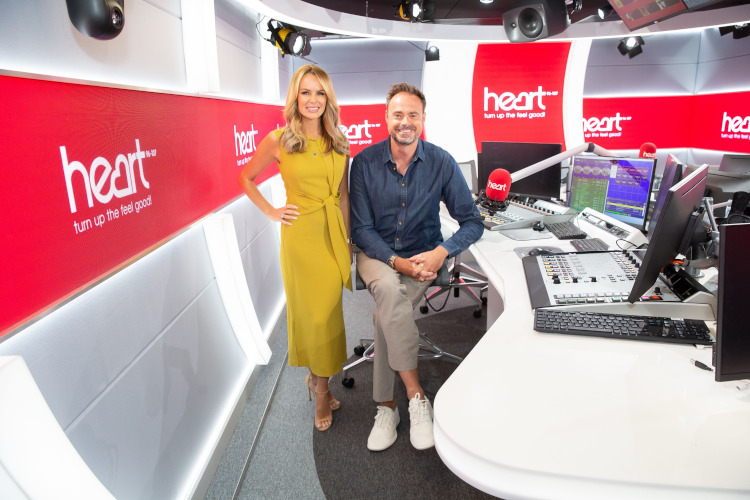
There is a particular sound that stops a nation of listeners mid-commute: the phone ringing live on air, the pause before someone picks up, and Amanda Holden’s voice bubbling with the news that a total stranger has just won a life-changing sum.
Why does that single moment, repeated on Heart Breakfast morning after morning, keep millions glued to their radios? The answer says a great deal about how entertainment culture has learned to bottle the pure thrill of chance — and why that same feeling now hums through so much of Britain’s leisure time.
That same appetite for an uncertain, hopeful outcome is exactly what the modern digital entertainment scene has built itself around, and it is why some adults branch out into corners of it that sit beyond the usual mainstream. A useful illustration is the world of https://esports-news.co.uk/online-casinos/non-gamstop/, which reviews and compares UK-facing online casinos operating outside the Gamstop scheme. Gamstop is the free tool British players can use to block their own access across participating sites; the casinos covered there sit outside that network, which is precisely why some players seek them out. Such comparisons walk readers through what these offshore options actually offer — the bonuses and promotions on the table, the payment methods they accept, and how someone might weigh a UK-licensed site against an international one — so that curiosity is grounded in clear information rather than guesswork.
Why the Big Reveal Never Gets Old
Heart’s giveaways work because they compress an entire emotional arc into a few seconds. The build-up, the tension, the shriek of disbelief — it is drama in miniature, and Amanda Holden is a natural at drawing it out just long enough to leave the whole audience leaning in. Listeners who have never won a penny still feel the flutter, because the brain does not neatly separate “someone won” from “it could have been you”.
Radio has understood this instinct for decades. From Steve Wright’s cheeky phone-ins to Capital’s cash calls, the format thrives on the gap between the known and the unknown. What makes Heart’s version so effective is the sheer scale and the personality behind it. Holden treats every winner like an old friend, and that warmth turns a numbers game into genuine human theatre.
The Science of Almost Winning
Anyone who has ever answered a radio quiz knows the sting of getting the final question wrong, or the maddening moment when a caller ahead of them scoops the prize. Oddly, that near-miss can feel almost as gripping as a win. Researchers who study the thrill of near victory have found that the brain lights up in strikingly similar ways whether triumph lands or slips agonisingly out of reach.
It is the reason a listener will keep redialling a Capital competition line long after common sense suggests giving up. The chase itself becomes the pleasure. Heart’s producers understand this perfectly, which is why the show teases prizes across the whole breakfast slot rather than blurting the result in one go. The anticipation is the product, stretched and savoured, and the reveal is merely the release valve.
From the Studio to the Sofa
The clever thing about radio giveaways is how they train an audience to enjoy uncertainty in bite-sized doses. That habit does not switch off when the programme ends. The same person who spent the drive hoping Amanda would call their number might spend the evening chasing a similar buzz elsewhere — a pub quiz, a scratchcard, a fantasy football league, or a casino app glowing on the sofa.
None of this is new, but the delivery has changed. Where a listener once had to be by the landline at exactly the right moment, digital entertainment now serves that same jolt of possibility on demand. Understanding how these on-air moments hook people is, in fact, half the fun. There are even detailed guides on how to win radio contests, teasing apart the timing, the redial tactics, and the sheer persistence that separate the lucky few from the rest of the audience.
Why Competition Feels So Good
There is more going on than simple hope of a payout. Winning, or even the prospect of it, seems to reshape how people feel about the things around them. Studies exploring how competition outcomes shape preferences after a win suggest that a triumphant moment can make a brand, a song, or an experience suddenly more appealing than it was seconds earlier.
That helps explain why Heart wraps its giveaways around music and personality rather than presenting them as cold transactions. A winner does not just bag a prize; they become part of the station’s story, their delight woven into the playlist and the banter. The good feeling rubs off on everything, which is exactly the effect any entertainment brand — from a radio breakfast show to a gaming app — is quietly chasing.
The Common Thread of Chance
Pull back far enough and a clear pattern emerges. Whether the setting is a Heart studio at 7am, a festival raffle, or a quiet night in with a phone screen, adults keep returning to the same delicious ingredient: an outcome that nobody can predict. Amanda Holden and her fellow presenters have simply mastered the art of packaging that feeling into radio gold.
The lesson for anyone who enjoys a flutter of excitement is worth holding onto. The thrill is real, the science behind it is fascinating, and the smartest way to enjoy it is to understand what draws people in. Chance, after all, has always been one of entertainment’s most reliable stars — and on Heart, it gets top billing every single morning.